


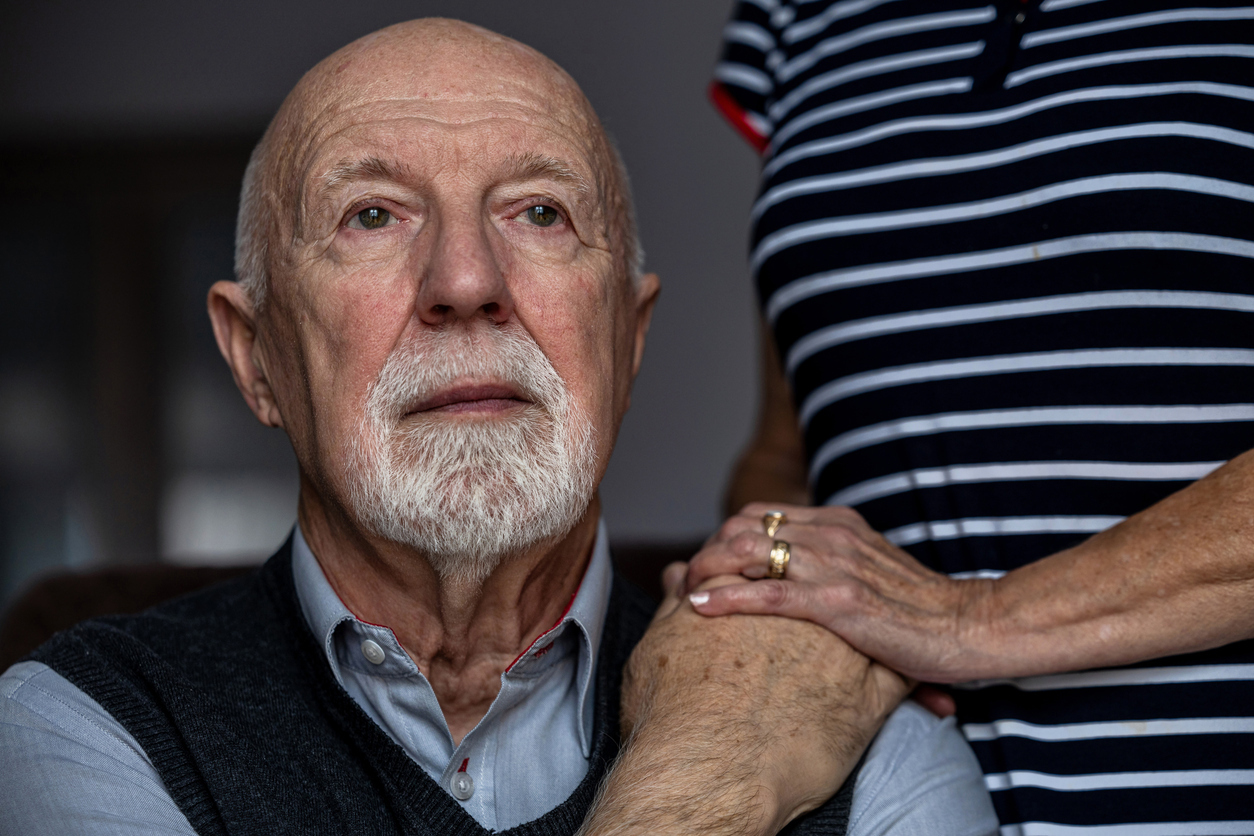
If your loved one living with dementia says they see people in the room, animals on the floor, or unfamiliar figures near the doorway, it can be deeply unsettling—for them and for you.
When What Your Loved One is Seeing Feels Real—But isn't
You may wonder:
- Is this a hallucination?
- Are they imagining things?
- Should I correct them—or go along with it?
At Full Bloom Memory Care®, we often support families through this exact moment. Understanding the difference between hallucinations and misperceptions can help you respond with confidence, compassion, and calm—rather than fear or frustration.
Visual Disturbances in Dementia Are Common—and Confusing
Visual disturbances are surprisingly common in many forms of dementia, including Alzheimer’s disease, Lewy body dementia, Parkinson’s disease dementia, and vascular dementia.
To your loved one, what they’re seeing feels completely real.
To you, it may feel alarming, heartbreaking, or even frightening.
Without guidance, families may unintentionally:
- Argue or correct (“There’s nothing there.”)
- Dismiss the experience
- Become anxious or overwhelmed themselves
But there is a better way to handle these moments.
Hallucinations vs. Misperceptions: What's the Difference?
Although they may look similar on the surface, hallucinations and misperceptions are not the same—and understanding the difference matters.
What Are Hallucinations?
Hallucinations occur when the brain creates an image that is not actually present in the environment.
Your loved one may:
- See people, animals, or objects that aren’t there
- Describe detailed scenes or figures
- Feel convinced the image is real
Hallucinations are especially common in Lewy body dementia and Parkinson’s disease dementia, but they can also occur in later stages of Alzheimer’s.
Importantly: hallucinations are not deliberate, imagined, or “made up.” They are a neurological symptom of the disease.
What Are Misperceptions?
Misperceptions happen when the brain incorrectly interprets something that is actually there.
Common examples include:
- A coat on a chair appearing to be a person
- Shadows looking like animals
- Patterns in carpet or wallpaper becoming threatening
- Reflections in mirrors causing confusion or fear
Misperceptions are often triggered by:
- Poor lighting
- Visual changes
- Fatigue
- Cluttered or overstimulating environments
Why Visual Disturbances Happen in Dementia
Dementia affects how the brain processes visual information. Even when eyesight is physically intact, the brain may struggle to interpret what the eyes see.
Contributing factors may include:
- Changes in the visual cortex
- Reduced depth perception
- Difficulty distinguishing contrast
- Fatigue, illness, or stress
- Medication side effects
This is why a calm, supportive environment—and a knowledgeable care team—can make a profound difference.
How to Respond with Compassion and Confidence
At Full Bloom, we guide families to respond in ways that reduce distress rather than escalate it.
Here’s what helps:
Acknowledge the Experience
Instead of correcting, try validating emotions:
- “That looks upsetting.”
- “I can see why that would feel scary.”
Avoid Arguing or Convincing
Saying “That’s not real” may increase fear or agitation.
Gently Redirect
Offer reassurance or shift focus:
- Change rooms
- Adjust lighting
- Engage in a calming activity
Modify the Environment
Small changes can make a big difference:
- Improve lighting
- Reduce shadows
- Remove visually confusing décor
- Cover mirrors if they cause distress
Track Patterns
Noting when visual disturbances occur can help identify triggers like fatigue, hunger, or overstimulation.
When Support is Personalized and Proactive
With the right approach, many visual disturbances become less frightening and less disruptive—even if they don’t disappear entirely.
At Full Bloom, our Memory Care Partners are trained to:
- Recognize hallucinations vs. misperceptions
- Respond with calm, reassuring language
- Adapt the environment to reduce triggers
- Support both the client and their family
Our goal is not just safety—but dignity, emotional ease, and a sense of security in everyday life.
You're Not Alone—and Help is Available
Seeing your loved one struggle with visual disturbances can be heartbreaking. But you don’t have to navigate this alone.
Whether your family is:
- Experiencing early signs of dementia
- Managing complex symptoms at home
- Preparing for future care needs
We’re here to help you understand what’s happening—and what to do next.