


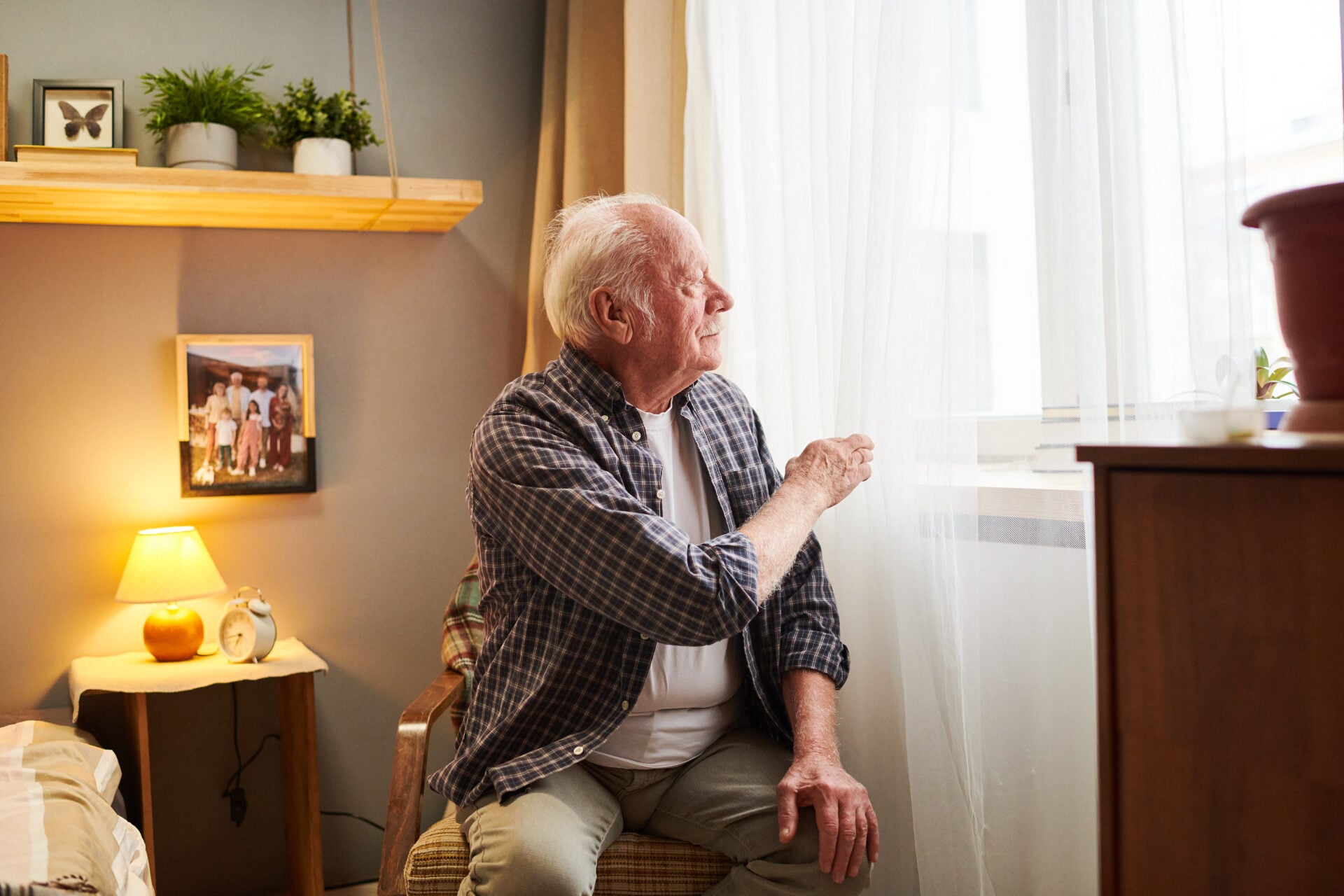
It starts with a phone that stops ringing.
A dementia diagnosis changes a lot of things. But one of the quietest changes is often the hardest on families: the calendar empties out.
Friends stop calling because they're not sure what to say. Invitations slow down because outings feel harder to manage. Your loved one, once the one who organized the neighborhood potluck or never missed Sunday dinner, starts spending more afternoons alone.
It doesn't feel like a crisis. It feels like life getting smaller. But research now shows that this quiet withdrawal carries real, measurable risk — and understanding it is the first step toward protecting the people you love.
Why Loneliness is More Dangerous Than it Feels
In 2023, U.S. Surgeon General Dr. Vivek Murthy formally declared loneliness a public health epidemic, publishing an advisory that connected social disconnection to a long list of health consequences: higher rates of heart disease, stroke, depression, anxiety, and premature death. The report noted that the mortality risk of chronic loneliness rivals that of smoking up to 15 cigarettes a day.
For older adults specifically, the advisory highlighted one finding that should matter to every family navigating memory loss: social isolation raises the risk of developing dementia by roughly 50%. Chronic loneliness doesn't just make life feel harder; it appears to accelerate the very decline families are working so hard to slow down.
This isn't a fringe theory. It shows up across major research efforts. The 2024 Lancet Commission on dementia prevention named social isolation among its list of modifiable risk factors for dementia, alongside related factors like untreated hearing loss, which the Commission identified as one of the largest single modifiable contributors to dementia risk, in part because hearing difficulty makes it so much harder to stay engaged in conversation and community.
In short: connection isn't a nice-to-have for brain health. It's protective medicine.
Why Social Connection Matters Even More After a Diagnosis
Neuroscience researchers have found that interacting with other people is genuinely a full-brain workout. A conversation asks your brain to draw on language, memory, emotional regulation, and planning all at once — the kind of layered mental activity that's difficult to replicate with solitary activities alone.
For someone living with mild cognitive impairment or early-stage Alzheimer's, that matters enormously. Meaningful social contact can help preserve cognitive function, ease anxiety and depression, and maintain a sense of identity and purpose that a diagnosis can otherwise chip away at.
And the effect isn't one-sided. Family caregivers face their own isolation, often losing touch with their own friends and routines as caregiving takes over. A tired, isolated caregiver has less capacity to help their loved one stay connected, which can quietly deepen the whole family's disconnection from the world around them.
What Connection Can Look Like, Day to Day
The good news: reversing isolation doesn't require a complete life overhaul. Small, consistent moments of connection matter more than occasional big events. A few starting points:
- Keep a regular rhythm. A weekly call with a grandchild or a standing Tuesday coffee with a friend gives your loved one something predictable to look forward to — and something to remember.
- Choose smaller, quieter settings. Big gatherings can be overwhelming for someone with memory loss. One-on-one visits or small groups in calm environments are usually easier to enjoy and easier to follow.
- Combine connection with activity. Music, gentle movement, gardening, or a shared hobby gives socializing a purpose beyond conversation, which can lower pressure and increase engagement.
- Address hearing loss early. If your loved one struggles to follow conversations, an untreated hearing issue may be quietly pushing them toward withdrawal. A hearing evaluation is a small step that can open a lot of doors back up.
- Don't overlook video calls. They aren't a replacement for in-person time, but they're a meaningful way to stay close to faraway family between visits.
This is Exactly Where a Memory Care Partner Earns its Place
Here's the honest truth: families are already stretched thin. Knowing that connection matters is one thing. Finding the time, energy, and know-how to build it into daily life — while also managing appointments, safety concerns, and everything else a dementia diagnosis brings — is another.
That's the role Full Bloom Memory Care plays. Our Memory Care Partners don't just provide supervision and support with daily tasks. They build relationships. They learn your loved one's stories, their sense of humor, the music they grew up on, and they use that knowledge to create real engagement, not just company in the room.
Consistent, trusted companionship — someone who shows up, remembers, and genuinely connects — is one of the most effective tools we have against the isolation that so often follows a dementia diagnosis. It's not an add-on to good care. It's one of its most important ingredients.
The Bottom Line
Loneliness isn't just an emotional issue for older adults living with dementia; it's a measurable, research-backed risk factor for further cognitive decline. The encouraging counterpoint is just as well-documented: consistent, meaningful connection is protective, accessible, and something families can start building today.
If you're noticing your loved one's world getting quieter, that's worth paying attention to. And it's not something you have to figure out alone.
Ready to talk through what connection and support could look like for your family? Schedule a conversation with Full Bloom Memory Care to learn how our in-home Memory Care Partners help families across Chicago's North Shore build the kind of daily connection that protects both memory and quality of life.


.png?width=352&name=Full%20Bloom%20-%20Social%20Media%20Posts%20(1).png)